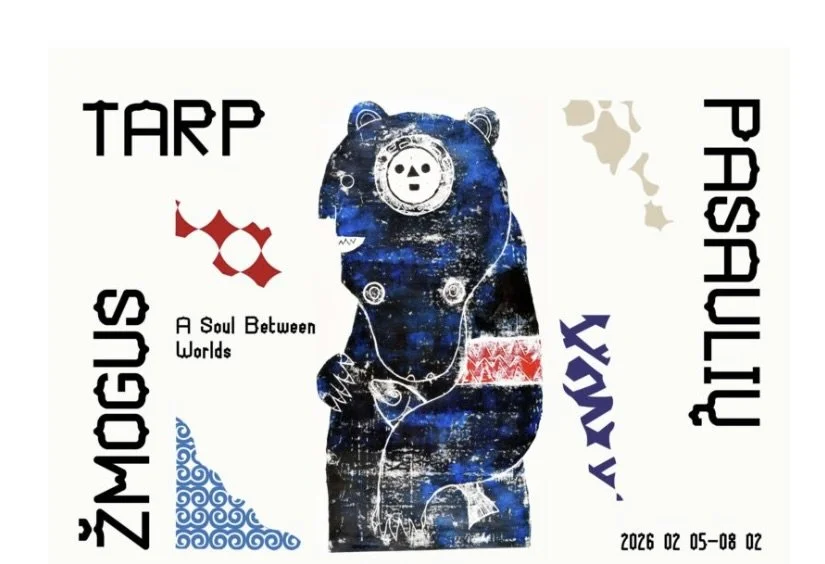
©️Koji YukiBronisław Piłsudski and the Ainu
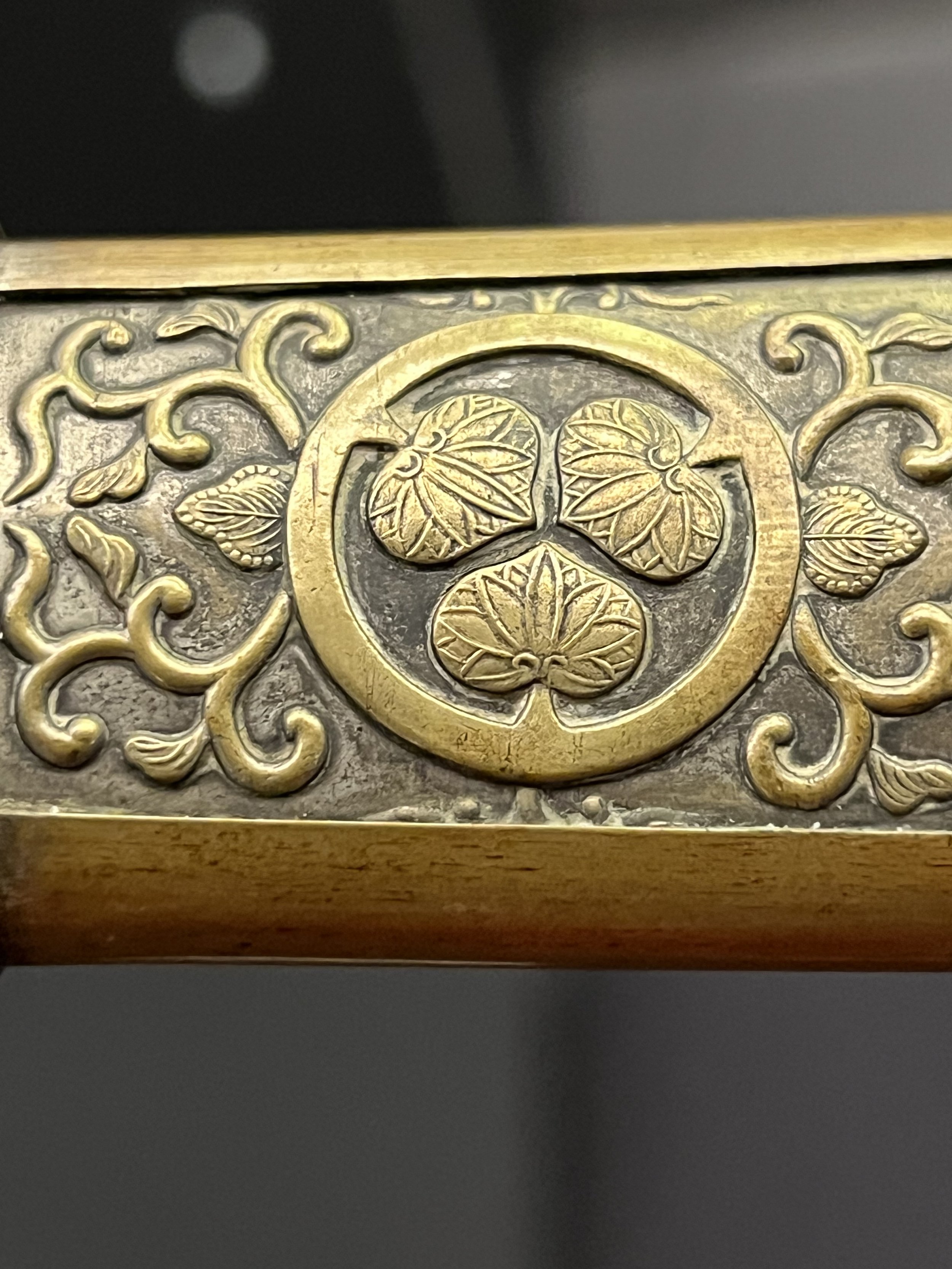
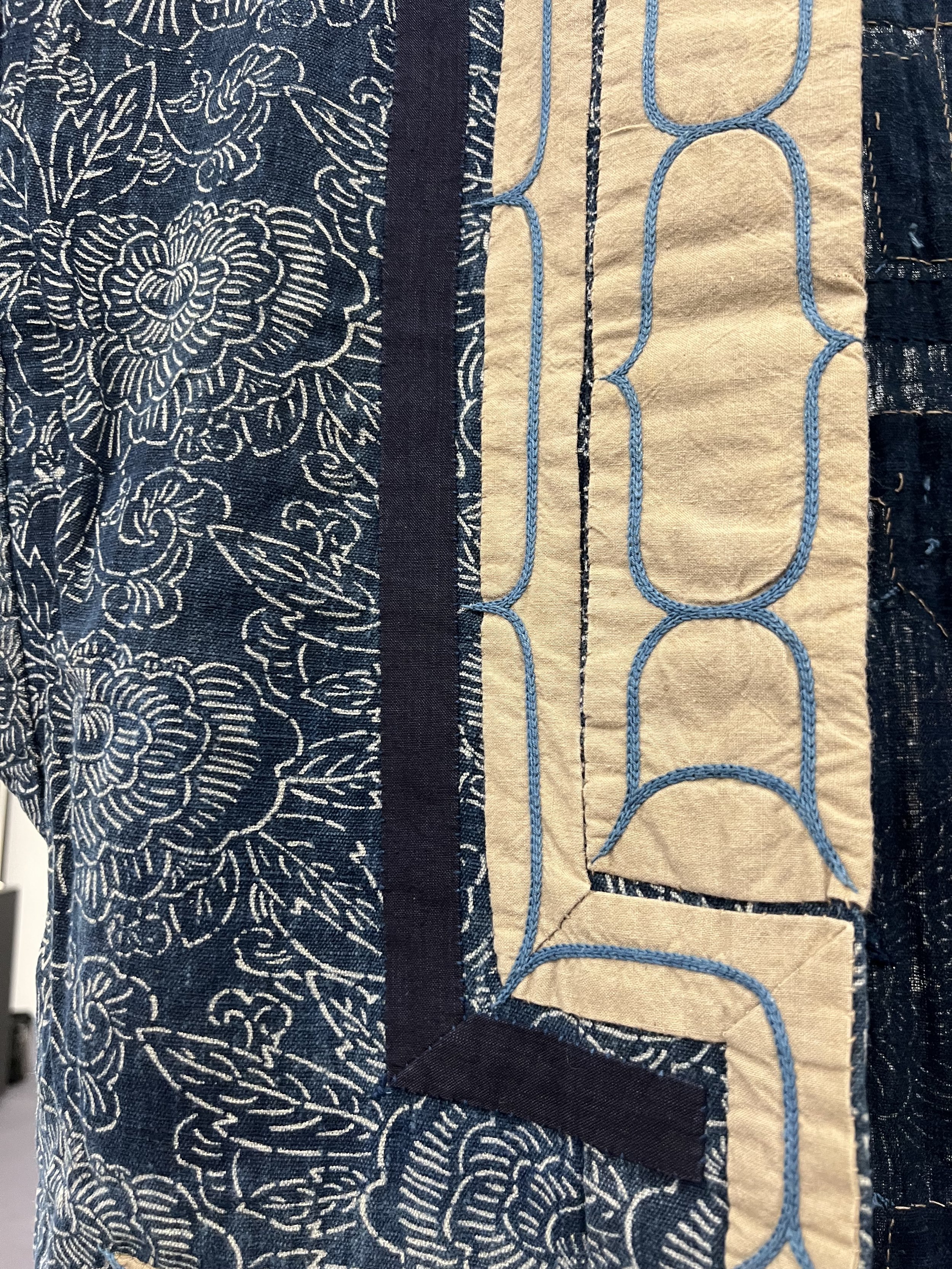
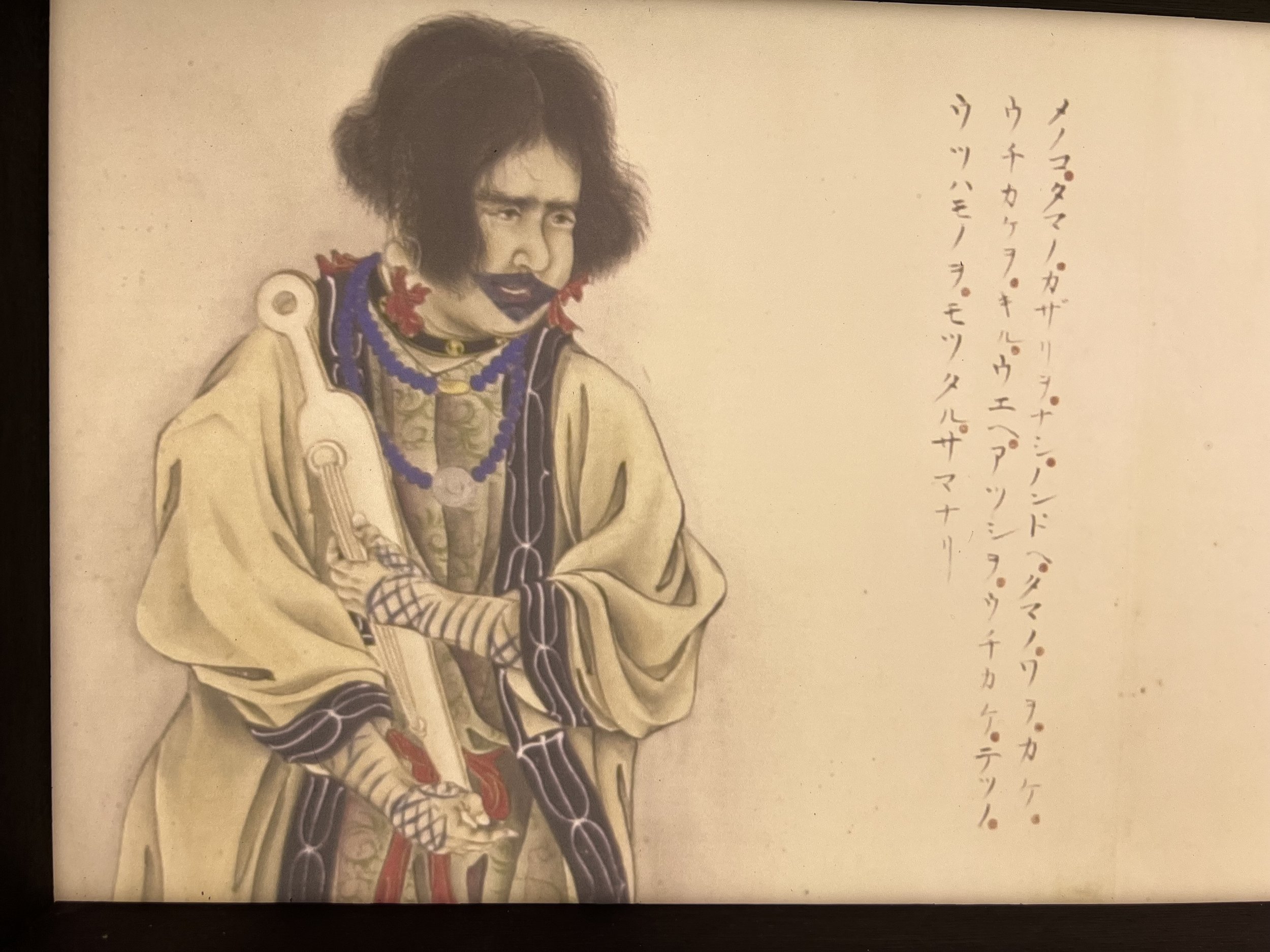
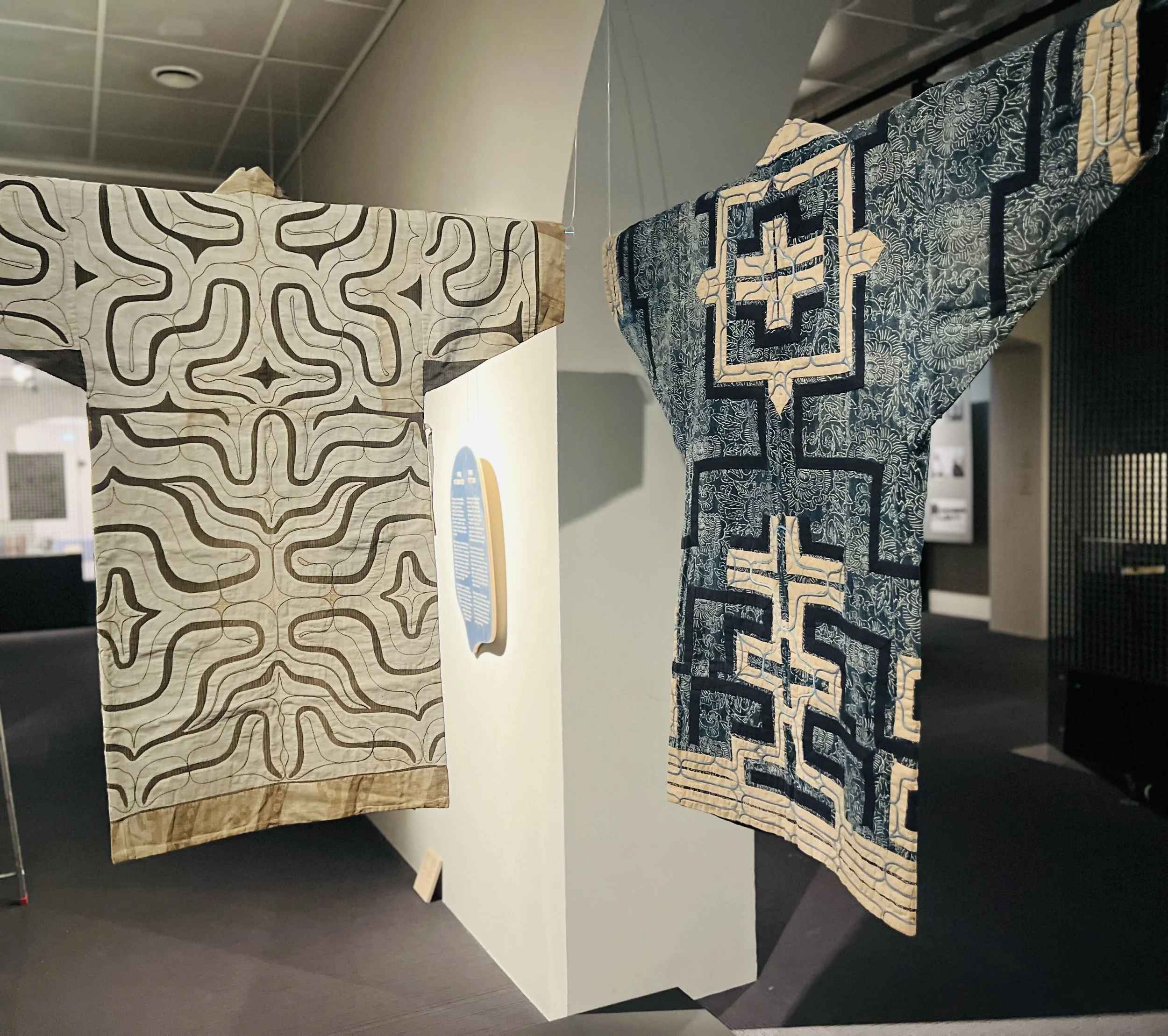
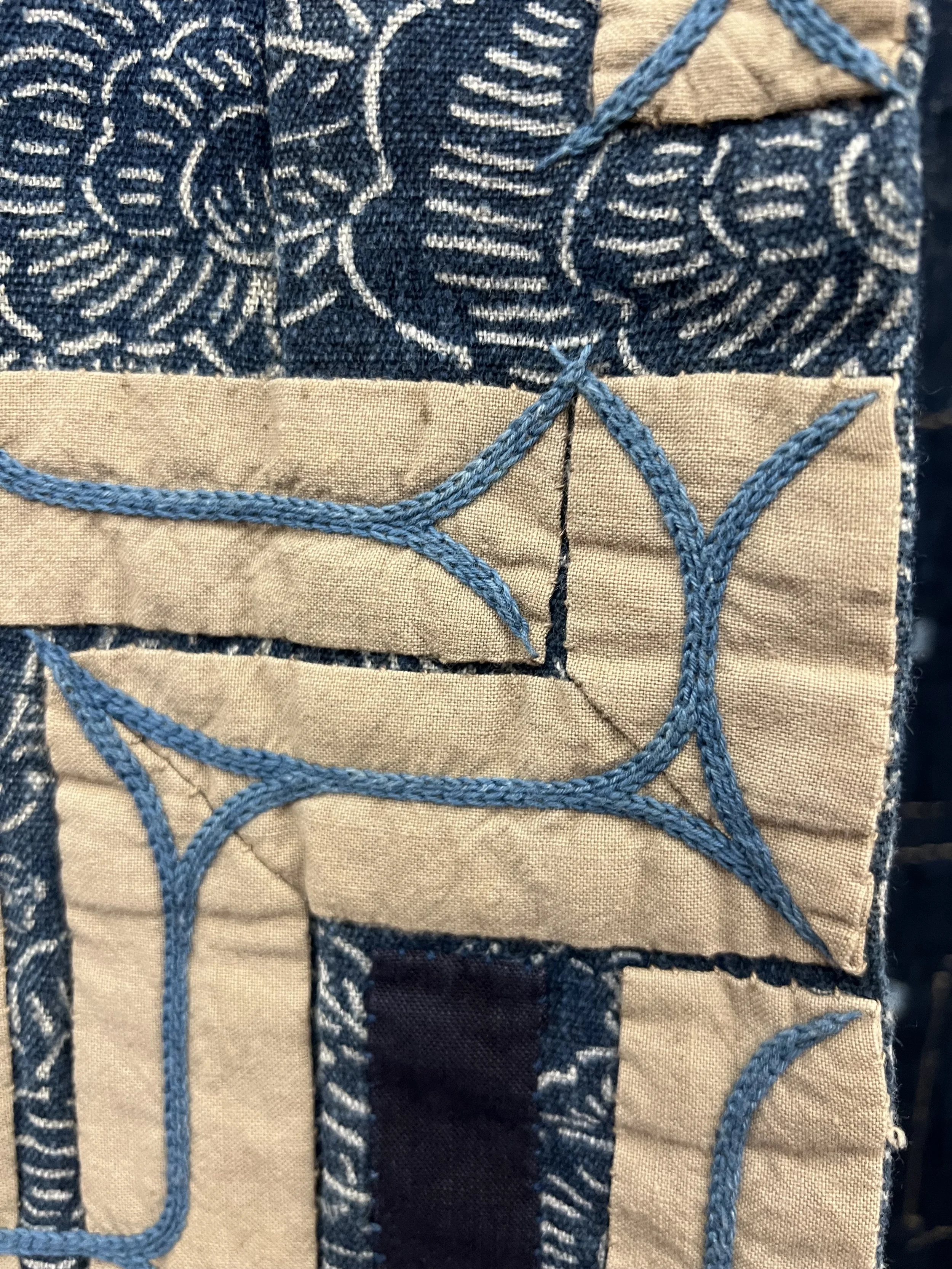
Historical Objects, Archives & Cultural Memory
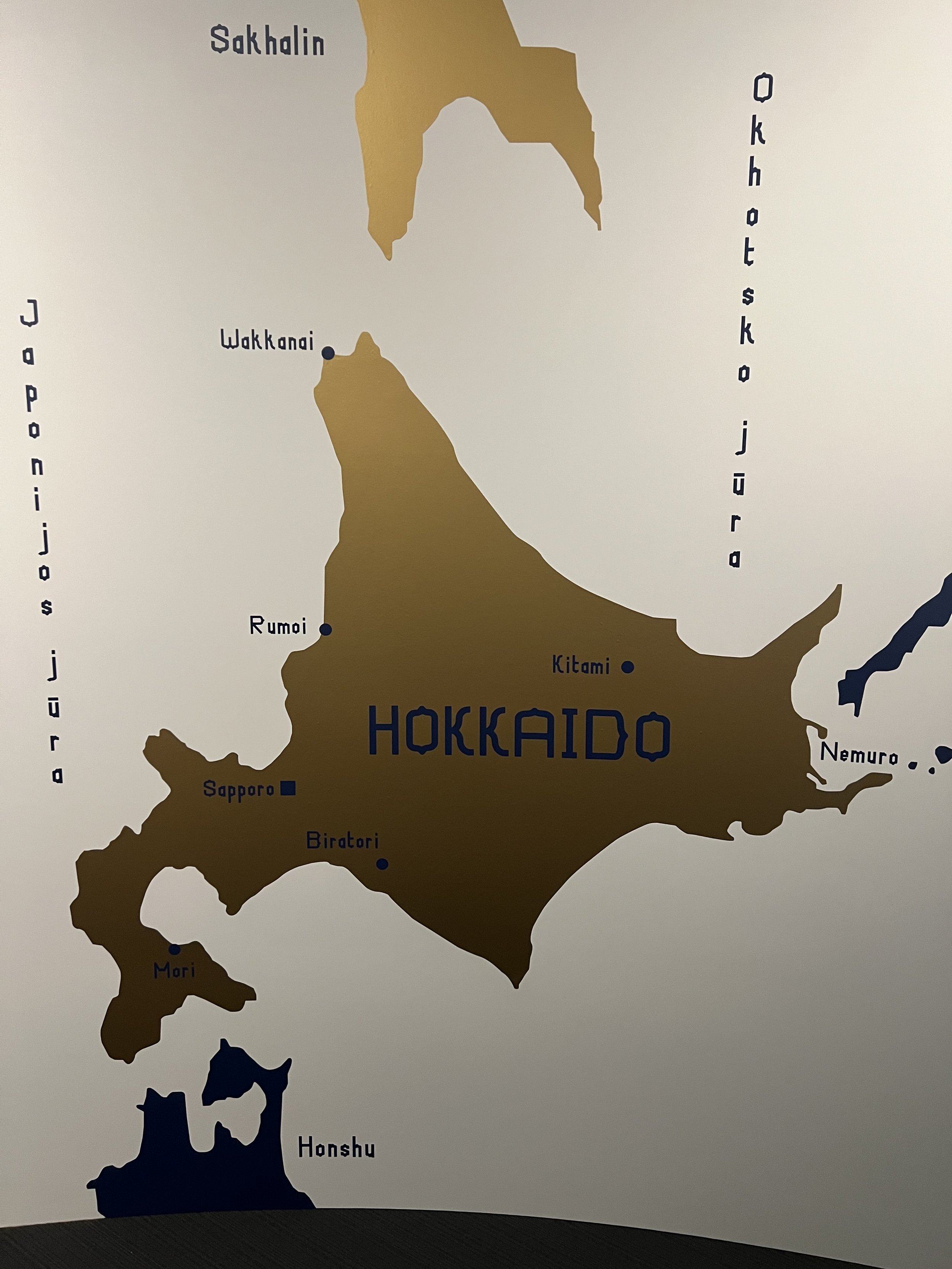
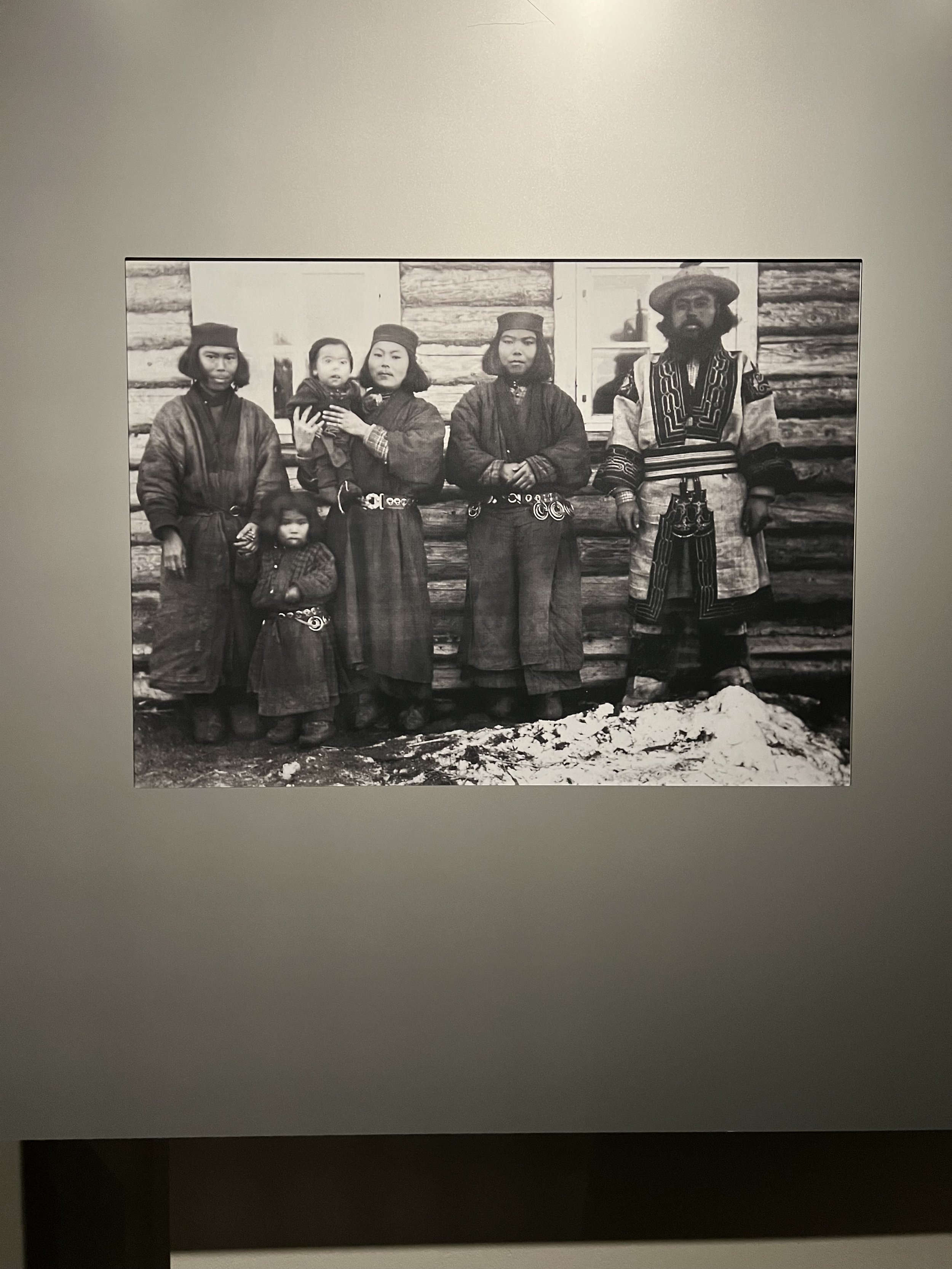
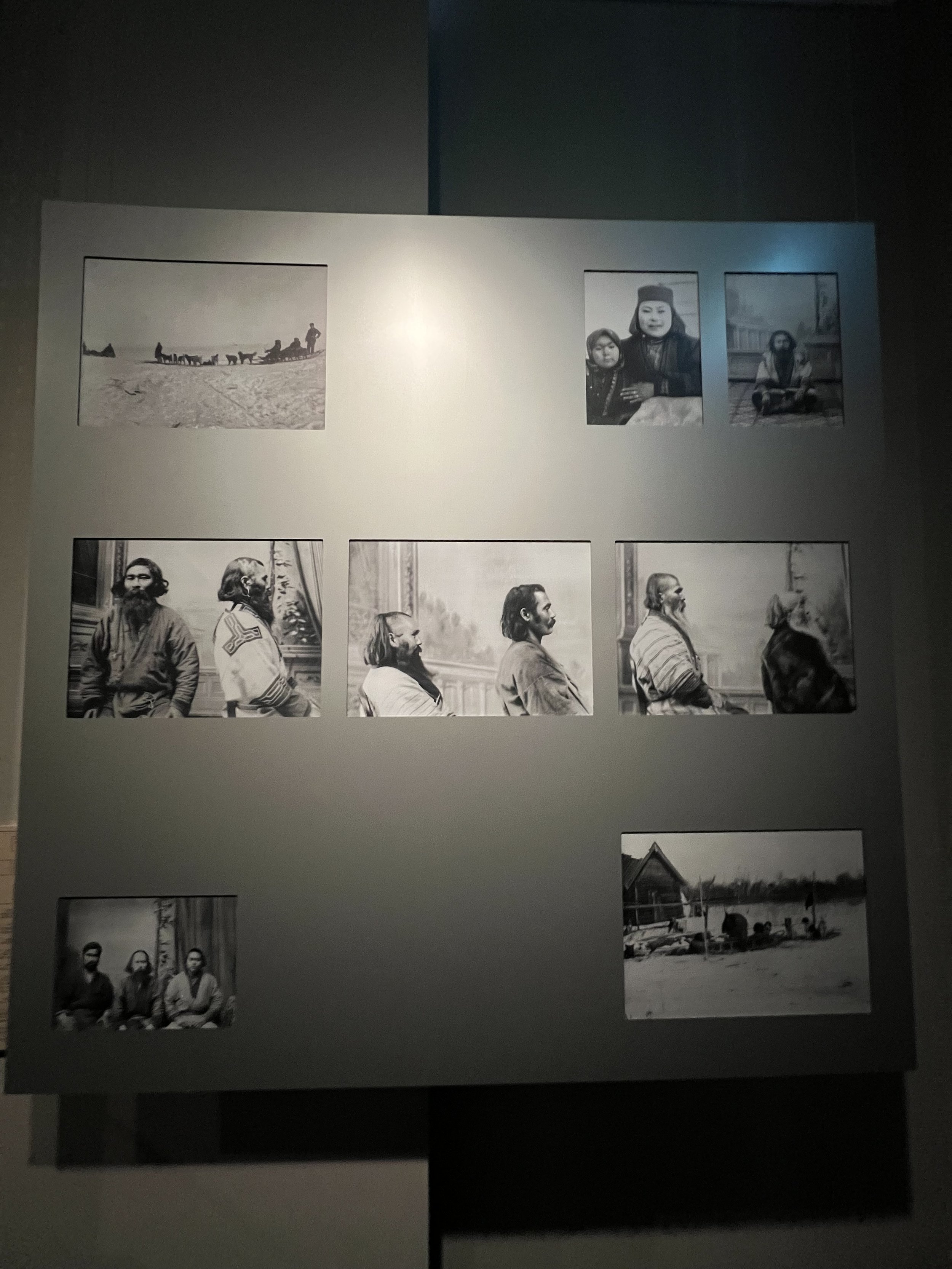
Bronisław Piłsudski (1866–1918), born in Zułów (today Zalavas, Lithuania), came to the Ainu through an unusual and complex path. During his fifteen-year exile on Sakhalin, he developed close relationships with Indigenous communities and began documenting their languages, knowledge, customs, and everyday lives. His recordings and ethnographic materials have since become an important part of the historical record of the Sakhalin Ainu.
For me, however, Piłsudski’s legacy raises questions beyond documentation. What happens when the life and knowledge of a people are preserved through the records of an outsider? How might we encounter these historical materials today, from an Ainu perspective? And how can archival objects speak to a culture that continues to live, change, and create?
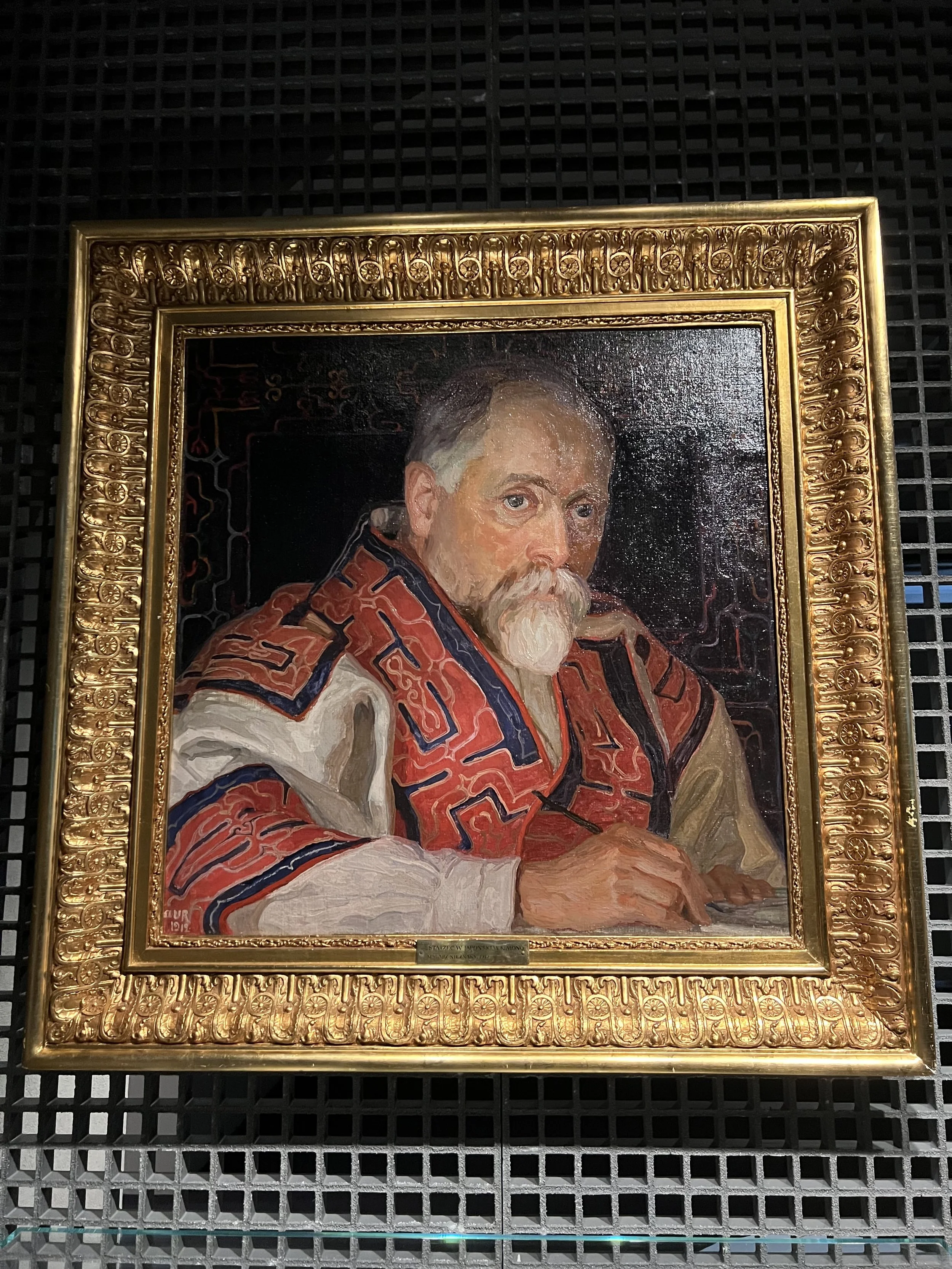
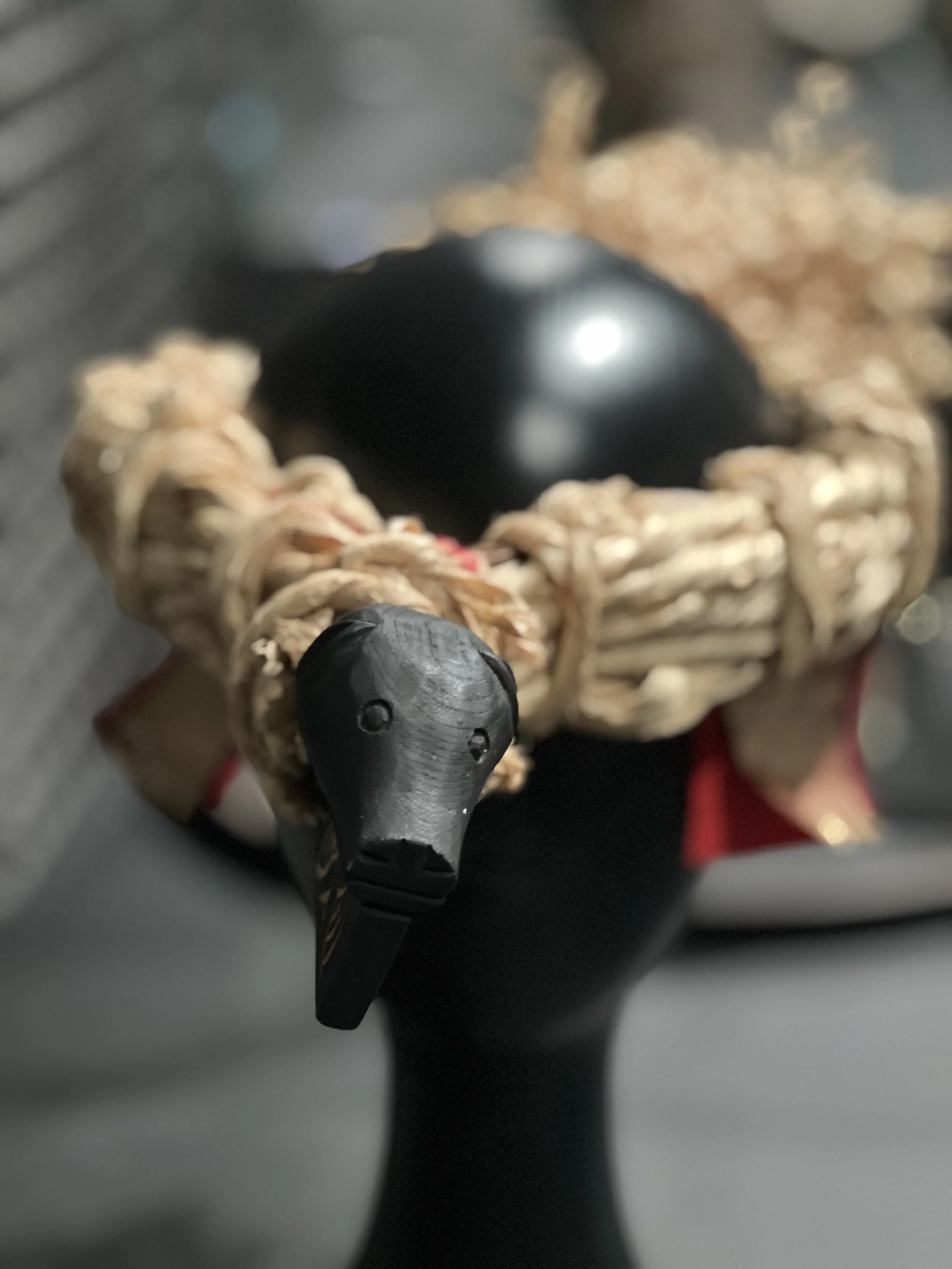
This section of the exhibition brings historical objects and archival materials into conversation with contemporary Ainu perspectives. Rather than presenting the Ainu only as a people of the past, it considers the continuing relationships between memory, cultural knowledge, identity, and artistic practice.
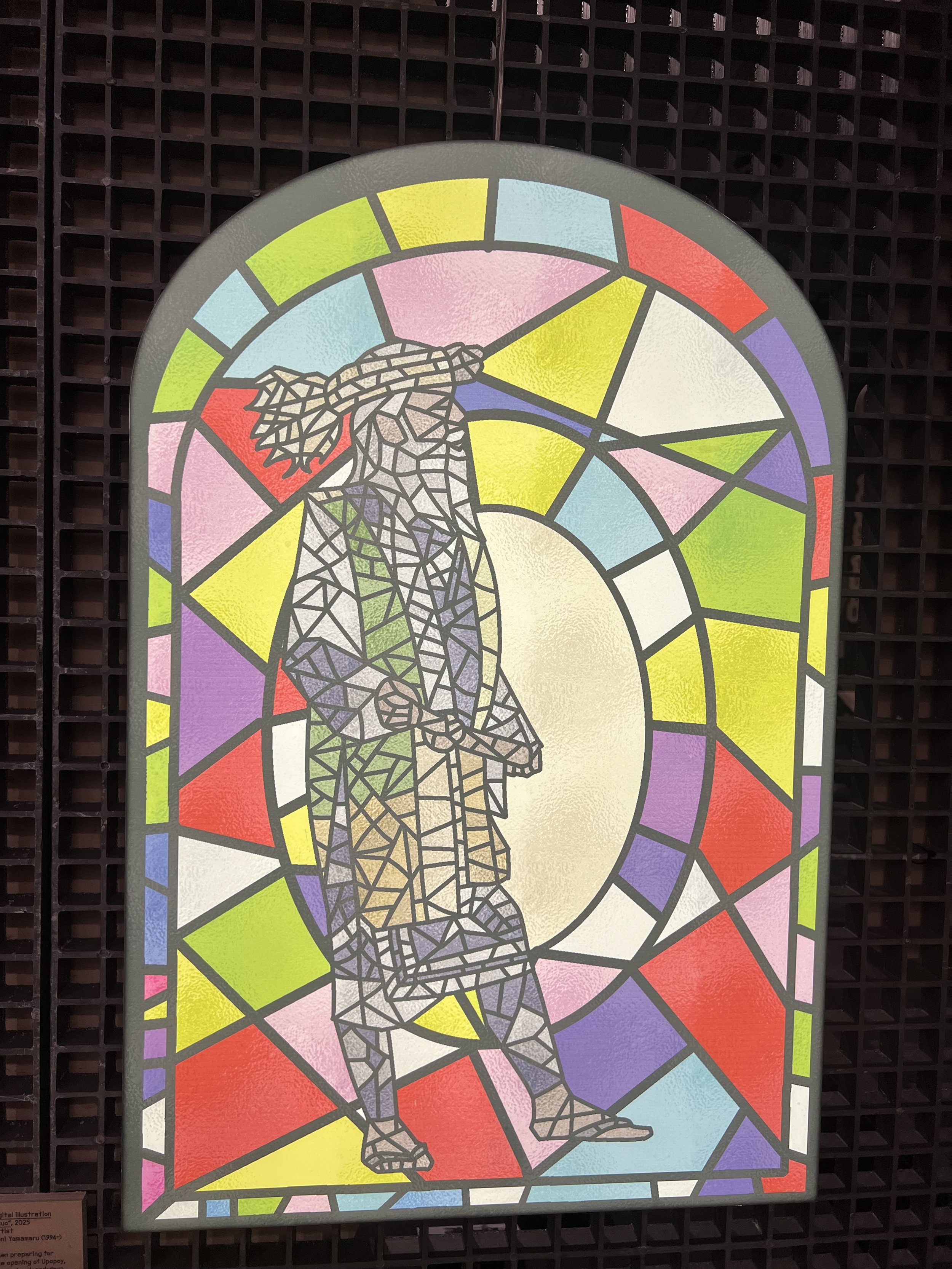
The exhibition marks the 160th anniversary of Piłsudski’s birth and was developed collaboratively by Simona Širvydaitė-Šliupienė, and Miglė Lebednykaitė, and Kanako Uzawa. My contribution extends beyond curation: I was also commissioned to create new artwork for the exhibition, allowing me to respond creatively to the historical materials and to bring a contemporary Ainu voice into the conversation.
For me, this encounter between archive and contemporary practice is not simply about looking backwards. It is an opportunity to ask how cultural knowledge is remembered, reclaimed, reinterpreted, and carried forward—and how Ainu voices can shape the ways these histories are understood today.
Exhibition annotation by curator Kanako Uzawa
ikor: The Living Treasures of Knowledge and Community
ikor: The Living Treasures of Knowledge and Community invites visitors into the living cultures and stories of Ainu artists.
Each artwork is accompanied by a personal reflection from its creator, offering a glimpse into the artist’s process, memories, inspirations, and the cultural meanings embedded within the work.
The artists represented here come from different generations and work across diverse materials, techniques, and contemporary forms. What connects them is a deep relationship with Ainu culture and a desire to carry that culture forward through their own voices, visions, and creative practices.
Their inspiration emerges from memory, community, land, relationships, and inherited knowledge. These connections allow cultural knowledge to travel across generations while continually taking new forms.
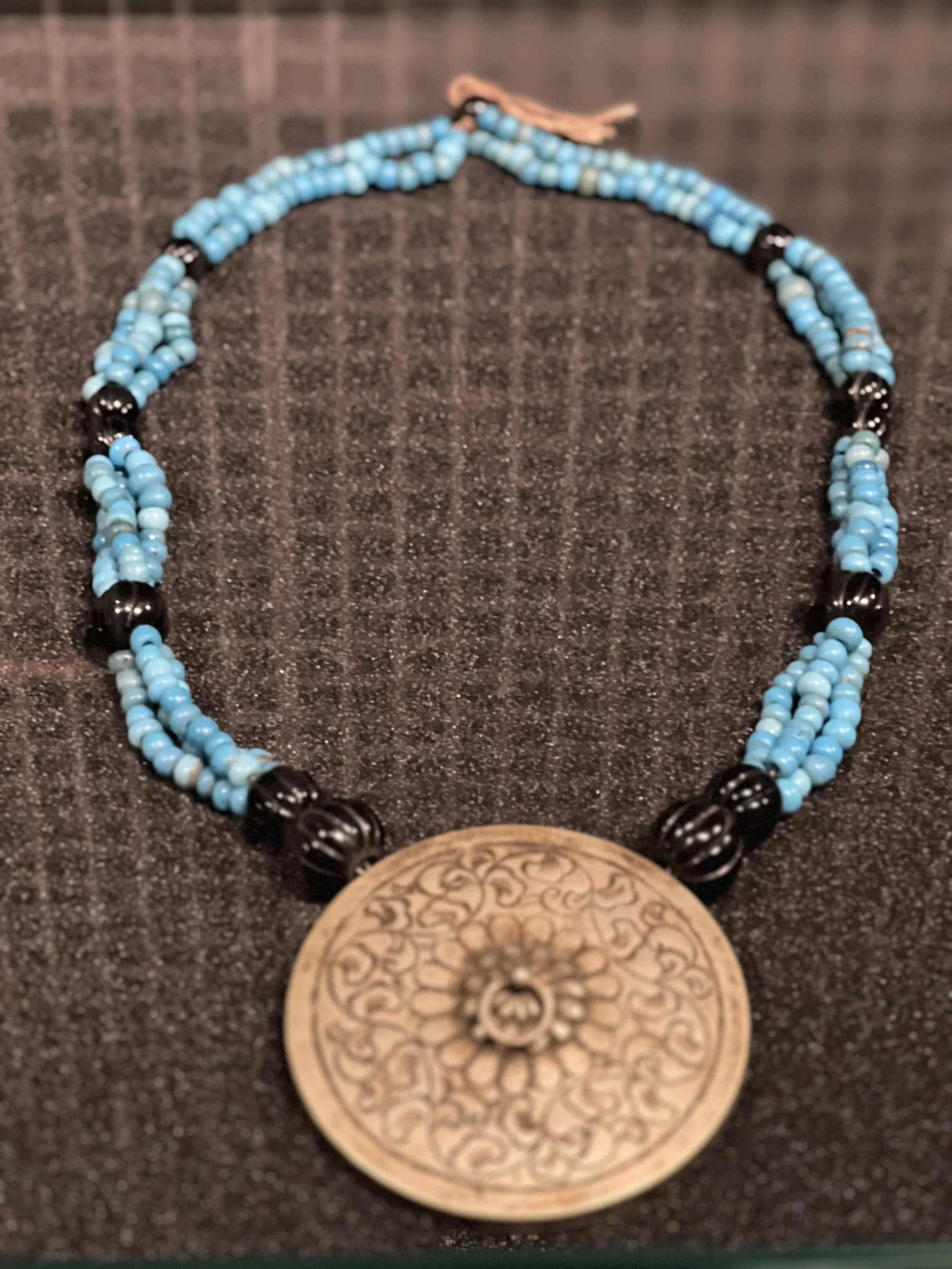
The word ikor means “treasure” in the Ainu language. Here, treasure is not simply something beautiful or precious that can be held. It also encompasses knowledge, values, stories, relationships, and ways of living that are carried from one generation to another.
These works speak to culture as something alive—remembered, practiced, transformed, and continually created.
Explore more here
Images and objects ©️ the National Museum of Lithuania, the Nibutani Ainu Cultural Museum, and Kanako Uzawa
©️Keni